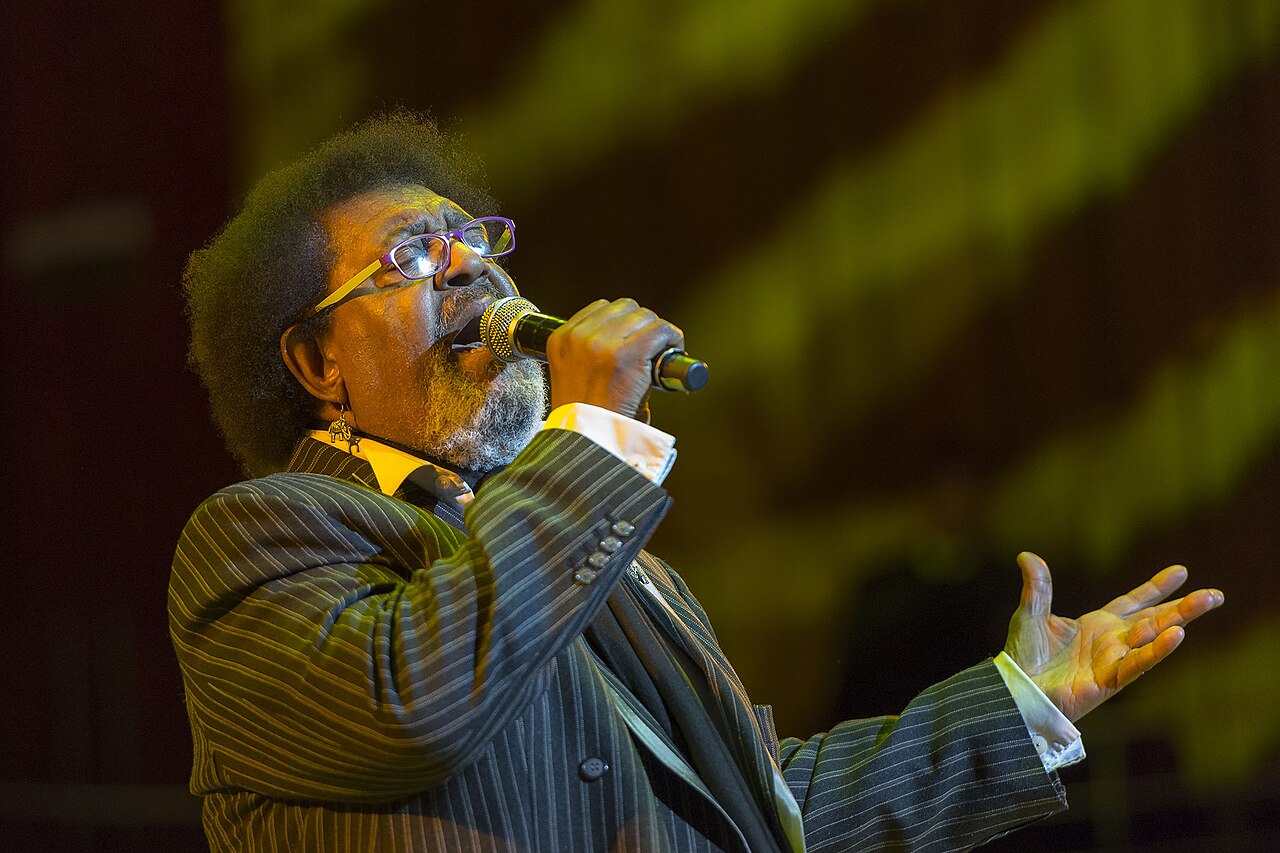
While the rest of the world grieves the death of Dolly Parton, the Uruguayan thoughts are mainly with the family and friends of Ruben Rada. “El Negro Rada” had an impressive career lasting more than seven decades, in which he constantly reinvented himself and Uruguayan Music – on the 26th of August 2026 he passed away, 83 years of age.
A broken career
With 15 years of age Rada did not dream about becoming a musician. Like many of his countrymen, football was his real passion. Playing for Peñarol was the dream, but during a medical test a doctor found out a professional career would never be possible due to a scar on his lungs – a memory of the two years young Rada spent at the hospital suffering Tuberculosis.
Without this goal in life, Rada set out for different opportunities. He started singing and performing in different Murga groups (traditional carnaval performers) and learned to play candombe.
Candombe beat
Rada was a part of different musical groups that reformed the musical setting in Uruguay. With bands such as Totém and El Kinto a new genre was born: Candombe beat. Traditional Uruguayan beats, combined with the international rock music of the time.
The first, and most legendary musical alter ego of Rada is Richie Silver. This incognito name stems from the time when Rada (and his band, ‘The Hot Blowers’) still wanted to sing in English – although he did not speak the language. His repertoire consisted of jazz, blues and salsa, with imitations of famous crooners such as Frank Sinatra and Nat King Cole.
In a 2006 musical project, Rada used this first alter ego as his stage name – he was “tired of being the man called Ruben Rada”.
It should be mentioned that Richie Silver was not the only alter ego of Rada – famous is for example Ruben Rá, the likeable singer of Uruguayan children’s songs.
OPA
Like many other musicians of the time Rada did not commit himself to one single style. Rada played Rock, Jazz, Blues and even Reggae, all with a touch of Candombe. A good example of this is the musical group OPA, a fusion jazzband from Uruguay that toured the United States in the ’70s.
During his life Rada did not stay in Montevideo all the time. In the 1980s he lived in Buenos Aires, where he produced some of his highlights as a solo musician. Famous is the song “Candombe para Gardel”, in which afro-Uruguayan rhythms and Tango are being mixed.
Later in live Rada also moved to Mexico, where he played in the band of the famous singer Tania Libertad
Achievements and recognition
Recognition came not only from within Uruguay. In 2011 Rada was awarded a Grammy lifetime award – which he forgot in the taxi on the way back to the airport. Although many people helped Rada look for it, the Grammy was never recovered. Rada paid $500 to the organizer of the Grammys to have a replacement award made – making Rada the only person who literally “bought” his Grammy.
More important, however, is the recognition from other artists – in the days after the passing of Rada all famous Uruguayan artists stated that they would have been nowhere without the avantgardist work of Rada. Whether it is an harmonic rockgroup such as La Vela Puerca, or a singer songwriter such as Jorge Drexler: everyone praised Rada for his decisive role in Uruguayan musical history.
Rada also had international admirors. In the early 1980s, Paul McCartney heard the song “No te vayas Francisquito” from Rada’s album La Rada, and since that moment publicly admired him.
Famous is also the meeting between Rada and Mick Jagger. In 2016 musician ‘Lobo’ Núñez celebrated his birthday, and the frontman of The Stones was one of the invited people. The result? A night filled with Candombe and Blues.
(An interesting detail to this story is that there was no mineral water bought for this birthday party – Rada offered Jagger to drink water from the tap)
More important than his musical career were, however, the things Rada did for the people around him. Rada heavily endorsed initiatives preserving Afro-Uruguayan heritage. He notably backed community fundraising projects—such as localized cultural art initiatives—to supply traditional drums to schools and finance community centers dedicated to teaching the roots of Candombe music to children.
Also, having suffered from the disease itself, Rada became the face of a government-led campaign against Tuberculosis.
Rada never became the football star he wanted to be – but the influence of his musical career reached further than any goal for Peñarol could ever do.
Leave a Reply