Looking for fun activities in Pocitos, Montevideo? From the vibrant life near Pocitos beach to art deco architecture and the best places to eat: find out all about this upscale seaside barrio in this article!
A short history of Pocitos
The first Montevideanos who lived in the area of Pocitos were washerwomen: they dug small wells (pozos in Spanish) in the clean sand of the beach, and used these to wash their clothes.
In the middle of the 19th century urban expansion of Montevideo reached the Pocitos area. Many upper-class citizens decided to leave the crowded Ciudad Vieja behind and constructed their new home in this neighbourhood. In 1906 this process received an extra boost, when a new tram line connected Pocitos with the rest of the city.

Some other big projects were built in the 1920’s as well. Famous examples are the very fancy ‘Gran Hotel Pocitos’ and the Pocitos stadium: large projects that had cost a fortune, but had to be demolished only a few years later. The same goes for the huge pier that used to be on Playa Pocitos.
Pocitos had the potential to become a Latin American ‘St. Tropez’, but the constantly ongoing construction of appartment buildings (starting in the 1950’s, but still ongoing today), turned it into one of the most densely populated neighbourhoods of the city. Despite this, Pocitos can still be classified as a nice middle to upper class neighbourhood.
What to do in Pocitos?
The Gran Hotel and Pocitos stadium no longer exist, but that does not mean you don’t have to visit Pocitos. For travelers, it is still one of the best destinations in the city. Be sure not to miss out on this:
- Playa de Pocitos – The city’s main beach is perfect for sunbathing or beach sports (like volleyball!). Even in winter, its a beautiful spot for a walk. Swimming is allowed and possible, although it is a good idea to check the water quality before you jump in!
- El Kibón – The Kibón is a small hill in the south-east of Pocitos. Many local residents use it for picknicks and to watch the sunset; the view is absolutely stunning.
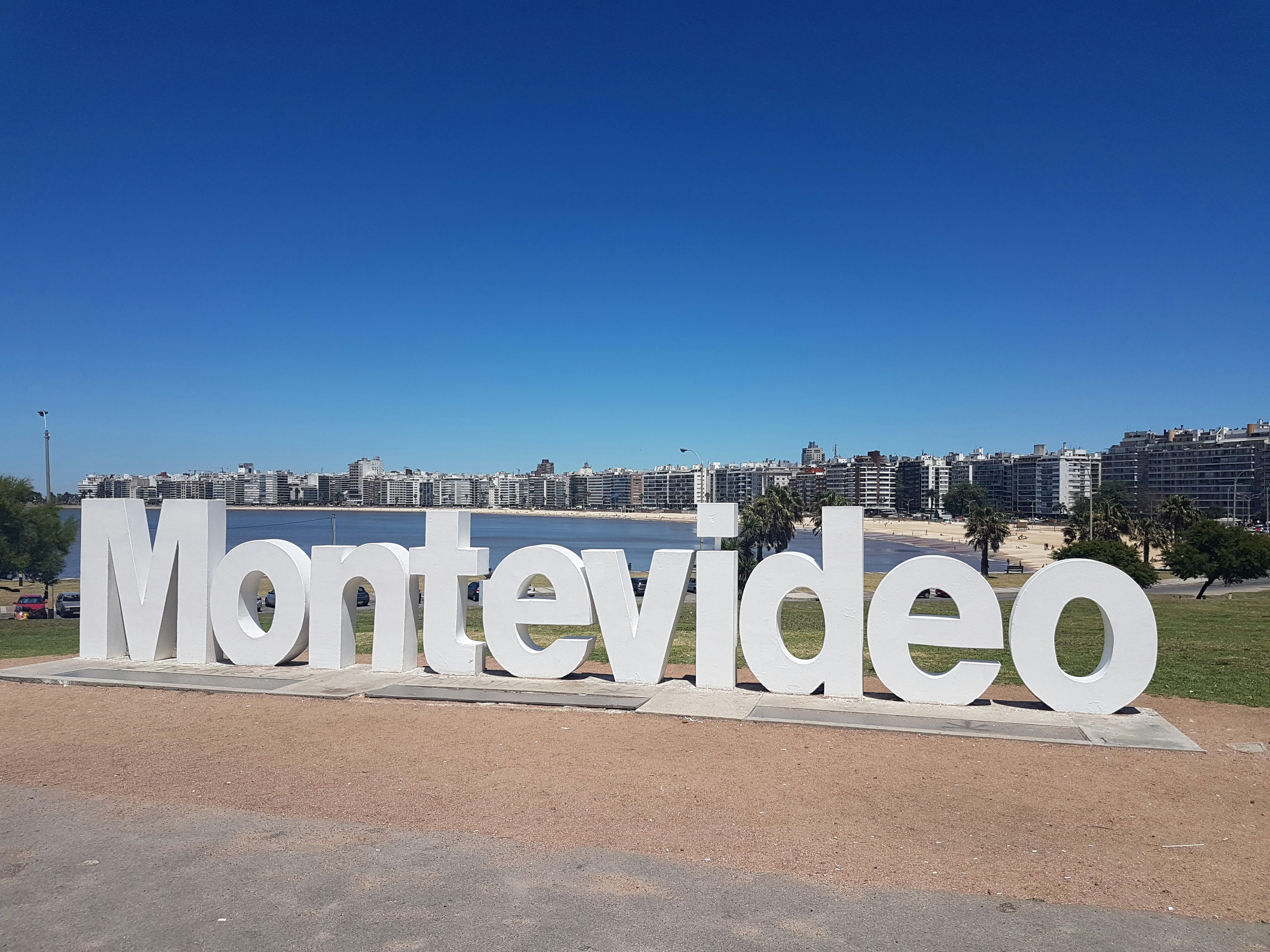
- Letras de Montevideo – On ‘top’ of the Kibón you can find the famous letters of Montevideo. A good spot for pictures with the boulevard of Pocitos as a background.
- Naval Museum of Montevideo – Montevideo has a small naval museum, located at the edge of Pocitos. Several artifacts from the Graf Spee and the Battle of the River Plate can be found in this museum, just as well as centuries old anchors and more.
- Plaza Tomás Gomensoro – A nice little square on the south-western edge of Pocitos, built in European style: a great spot for pictures or a coffee with friends!
Nearby Gomensoro square is Castillo Pittamiglio, the ‘castle of the alchemist’. A must visit in Montevideo, on which I will surely write a blog soon!
Where to eat and drink in Pocitos?
For foodies (and drinks) Pocitos is one of the best places to visit in Montevideo. Some personal favourites:
- Nuevo Pocitos – My favorite bakery in Pocitos, especially because of the empanadas! I personally recommend the empanada with bondiola and the shredded beef with blue cheese empanada.
- Cultural Alfabeta – A book store/ filmhouse with its own coffee place. A good place to enjoy a snack and a good cup of black gold.
- Los Trovadores – Looking for cold ice cream on a hot day? Heladeria los Trovadores has the best artesanial ice cream for you. I recommend Sambayón with cherries!
- Birra Brava – Fancy a beer? Birra Brava is a great option in Pocitos: the bar/ restaurant has several speciality craft beers on tap, and is a popular hangout in the area.
- Sushi Wok Perú – Peru is famous for its food, and this fusion restaurant in Pocitos shows why. Ceviche, Causas and more – it is all delicious.
Other restaurants that deserve to be mentioned are Dalí and Fellini in Benito Blanco street. Also Erevan, specialized in Armenian food, on Plaza José Antonio Cabrera deserves a mention.
Should I visit Pocitos?
In short: yes! Visiting Pocitos is definitely worth it when you are in Montevideo. There is plenty to do for those who want to discover the Belle Époque history of the city or simply want to spend an afternoon at the beach.
Leave a Reply